

As a youngster, I was a fussy eater. But there were certain things my Mum cooked that were amazing.
One was a recipé that a cousin of mine brought back from the Orkney Islands, after being stationed there with the RAF. Orkney Bacon Savoury. Layers of bacon, tomatoes, mushrooms, and breadcrumbs baked in the oven. Perfect comfort food for winter.
Another was her bread pudding. None of those fancy spices that you find in a bread pudding you buy from a baker’s, no thank you very much. Simple. Straightforward. Yummy.
And nobody made pineapple upside-down cake like her. Two main differences: first of all, none of those crimes against humanity that are known as glacé cherries. And no, not pineapple rings, oh no: crushed pineapple. Hence, with it being an upside-down cake, having the filling on top, crushed pineapple meant that the juices flowed down through the cake, permeating everything with pineapple flavour.
Is anybody hungry? Because I am, after typing that.
But never mind an upside-down cake, Jesus brings a whole upside-down kingdom. Nowhere is that clearer than in the way he sets things out here.
Firstly, we have an upside-down Messiah:
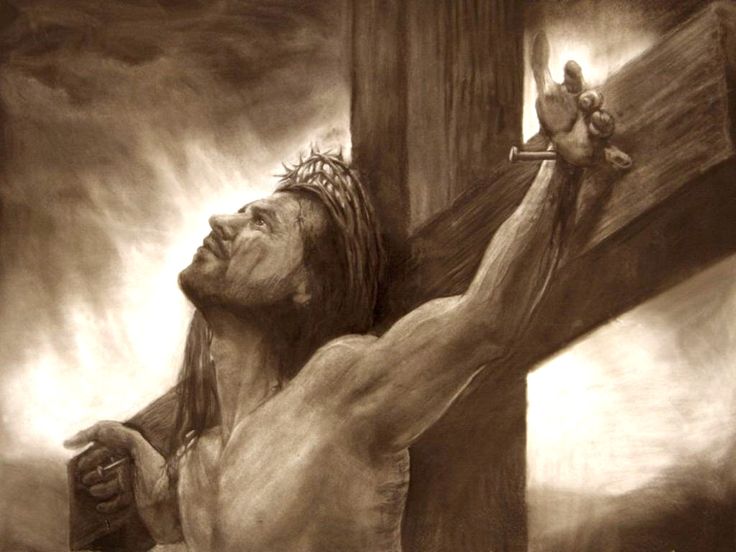
21 From that time on, Jesus began to show his disciples that he must go to Jerusalem and undergo great suffering at the hands of the elders and chief priests and scribes, and be killed, and on the third day be raised.
We are so used to this, that we miss some of its importance. We have had two thousand years of knowing that Jesus refused the popular Jewish hopes for a Messiah as a military leader who would conquer the occupying forces of Rome. We have had two thousand years of reciting in the church that Jesus died for our sins, and that in his death he conquered sin and death.
Have we forgotten that Jesus’ suffering and death are not only for our forgiveness and salvation, but also a pattern for life? How often do we still seek to get our way by force, when Jesus didn’t? How often do we even think we are doing God a favour by seeking to power something through that we are convinced is his will?
Oh, it doesn’t have to be the use of physical force and violence. It can be the way in which we manipulate people. Is that the way Christians are to treat people? I have certainly seen that in the Methodist Church, both at national church level and in local churches. When we want to get our way, we are prone to getting it all costs. People are just collateral damage sometimes.
Let’s just pause and consider. Does any of this sound like the way Jesus the Messiah brought in the kingdom of God? Not remotely. By no means did he hold back from declaring truth, but never did he treat other people as if they were just pieces on a chessboard to be moved around so that he got his way.
So why do we reject Jesus’ upside-down model? It might be about our fear, and our own desire not to suffer. But deeper than that, there is an explanation that only works on the ‘spiritual’ level, and that is our second point:
Secondly, it is demonic forces that resist the upside-down Kingdom:
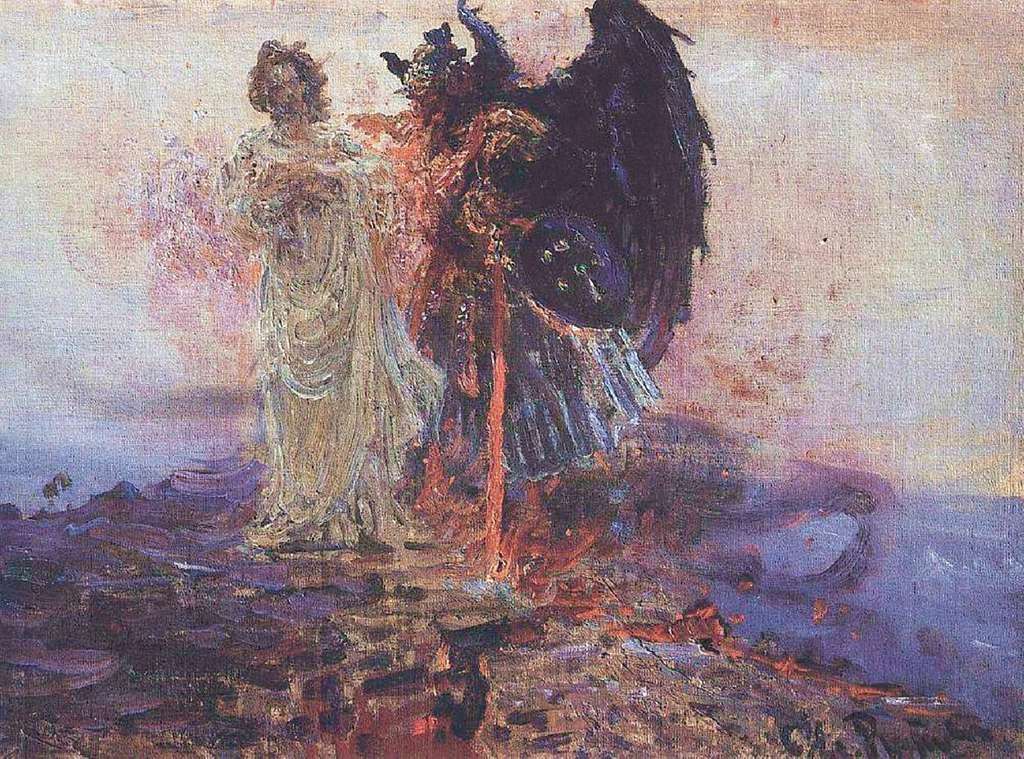
22 And Peter took him aside and began to rebuke him, saying, ‘God forbid it, Lord! This must never happen to you.’ 23 But he turned and said to Peter, ‘Get behind me, Satan! You are a stumbling-block to me; for you are setting your mind not on divine things but on human things.’
Gentle Jesus, meek and mild? I think not! ‘Get behind me, Satan!’ says Jesus to Peter. Not so much ‘God forbid it,’ as Peter said, but more like ‘Satan forbid it.’
It is nothing less than the work of demonic forces to oppose the Cross and all it does. They dread the knowledge that at the Cross, Jesus will disarm the principalities and powers, as Paul tells the Colossians. The Cross will be their undoing. Peter may say things from a merely human perspective, as Jesus says, because he doesn’t want to see his Master suffer. But Jesus knows there is more at stake, and much more behind this: the power of the Cross is not only in bringing us the forgiveness of sins, it is also the conquest of evil powers. This is the only way to take them on: for by going to the Cross, Jesus will take away all their power to imprison people in shame.
You may think it is hackneyed when you watch a movie where a priest holds up a cross against a ghost, a poltergeist, a demon, or some other malevolent spiritual being. But behind that is profound truth. The Cross is God’s way of defeating evil.
And so Peter must be opposed. Jesus not only addresses him as Satan, identifying the true source of resistance to the Cross, he also says, ‘Get behind me.’ Why? Because disciples followed behind their teachers, walking behind them. Jesus is telling Peter to get back in line as a disciple. And a disciple needs to know the primacy of the Cross.
And that question of discipleship leads to the third thing we must say:
Thirdly, it’s like teacher, like disciple in the upside-down Kingdom:
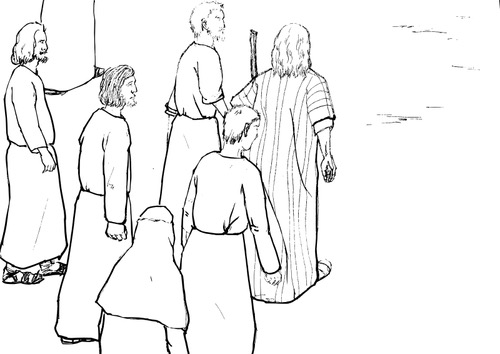
24 Then Jesus told his disciples, ‘If any want to become my followers, let them deny themselves and take up their cross and follow me.’
As a religious teacher of his day, Jesus was not imparting to his disciples a set of facts for them to memorise. Sometimes, we think that’s what teaching and education is – which also does a dis-service to what modern teachers do.
This was emphatically not a situation where Jesus gave them a set of dates to memorise for historical battles and wars, or when certain kings reigned. Nor was he teaching them a mathematical formula or the construction of an atom, or the kinds of rocks found in certain landscapes.
No. Jesus was teaching them how to live – how to live in the presence of God. I have said previously that a good modern substitute word for ‘disciple’ might be ‘apprentice.’ They were to learn how to live the godly life by observing how Jesus lived and then copying him.
This was something that all apprentices of Jewish rabbis did. They observed the rabbi’s way of life – sometimes down to the most private and intimate detail! – and sought to copy it.
Therefore, if Jesus their teacher were to be heading for suffering and death, they needed to be ready for potentially facing a similar fate. No, they would not be dying for the sins of the world or to conquer the forces of evil like Jesus. But they would face unjust opposition – persecution, even – because the world’s authorities would not be best pleased by the way the disciples reminded them of truth, beauty, goodness, kindness, and love.
Taking up our cross is not about us having our share of the general woes and pains of the world, although we are not exempt. Taking up our cross is not about the arthritis in our fingers. Taking up our cross is about being willing to suffer for Jesus.
Fourthly, that means there is a price to pay for participation in the upside-down Kingdom:
25 For those who want to save their life will lose it, and those who lose their life for my sake will find it. 26 For what will it profit them if they gain the whole world but forfeit their life? Or what will they give in return for their life?
Could there be anything more upside-down? If you want to save your life, then you will lose it, and if you lose your life for Christ, then you will find it. This is about as far away from ‘Your Best Life Now’ as you could possibly be. There is no pursuing the good life or emphasising personal fulfilment here. The call is to put Christ first, even if that means death. For it is in putting him first that we find true life. This is ‘It is better to give than receive’ completely maxed out.
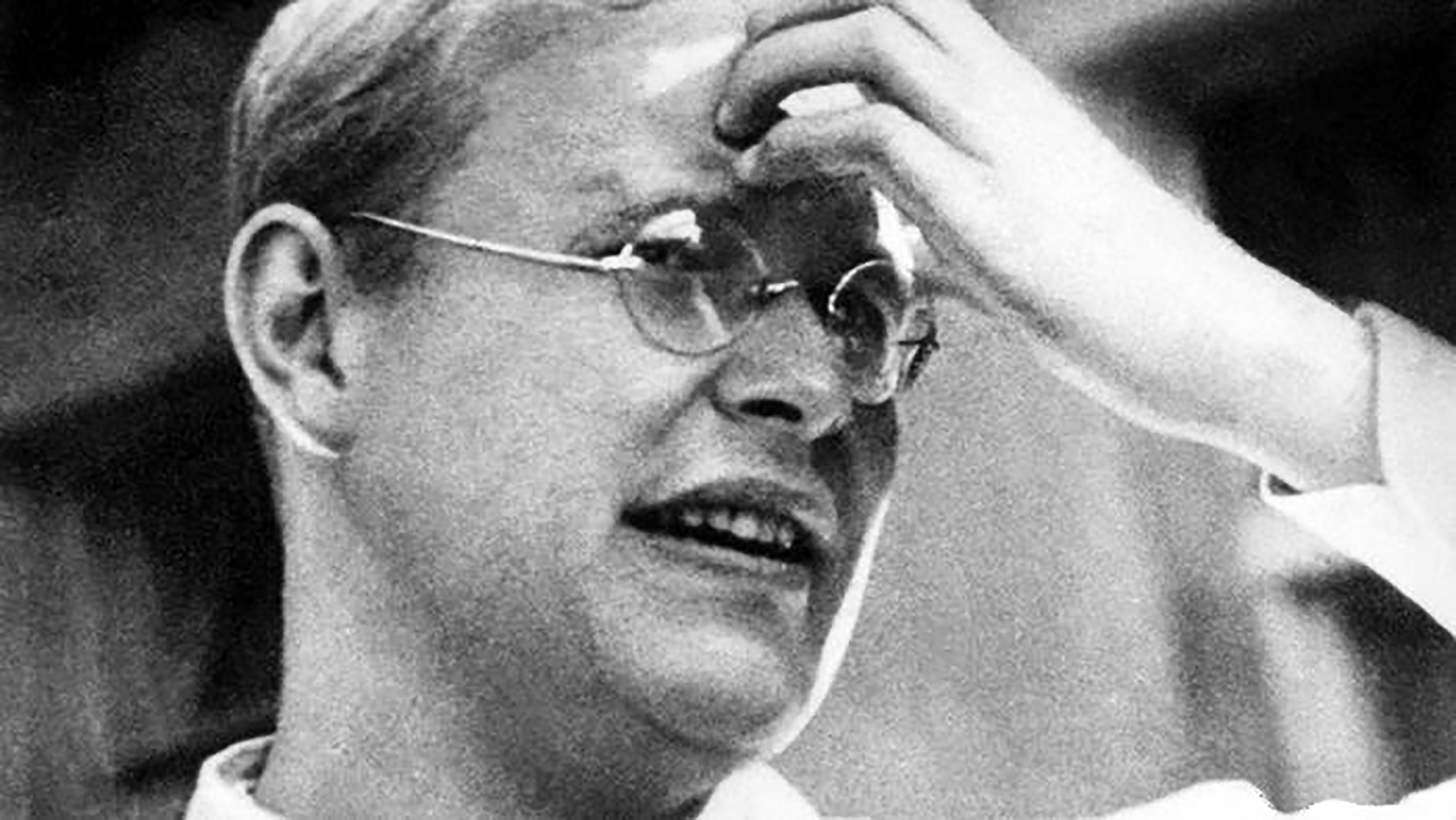
I couldn’t help thinking of the great German Christian Dietrich Bonhoeffer, who returned to his native land from the USA to oppose the Nazis. He condemned what he called ‘cheap grace’ in the church, where the forgiveness of sins just led to an easy, comfortable life. Rather, said Bonhoeffer, when Christ calls a man, he bids him come die.
It’s all very well having the kind of prayers we often pray in churches here where we thank God for the freedom we have to worship him, knowing that we have sisters and brothers in Christ around the world for whom even gathering like we do is an enormous risk to their safety and liberty. But what Jesus says here is something of a warning to us that we are the Christians with the abnormal experience. We certainly should be grateful that we have our freedoms, but we need to guard against the way in which our freedoms can soften us up spiritually, if we are not careful.
Most of us in church today in the West might do well to reflect on what cost we have paid to be disciples of Jesus. Has it hurt us at times to follow him? Again, I don’t mean the regular pains of ordinary life that anyone may have to endure, such as those caused by ill-health or aging. I mean, have we been through the mill at times because we chose to walk the path laid out by Jesus Christ?
If we have never paid a price for our faith in Christ, we might ask whether we are serious disciples or merely consumers of that cheap grace Bonhoeffer spoke about.
To conclude:
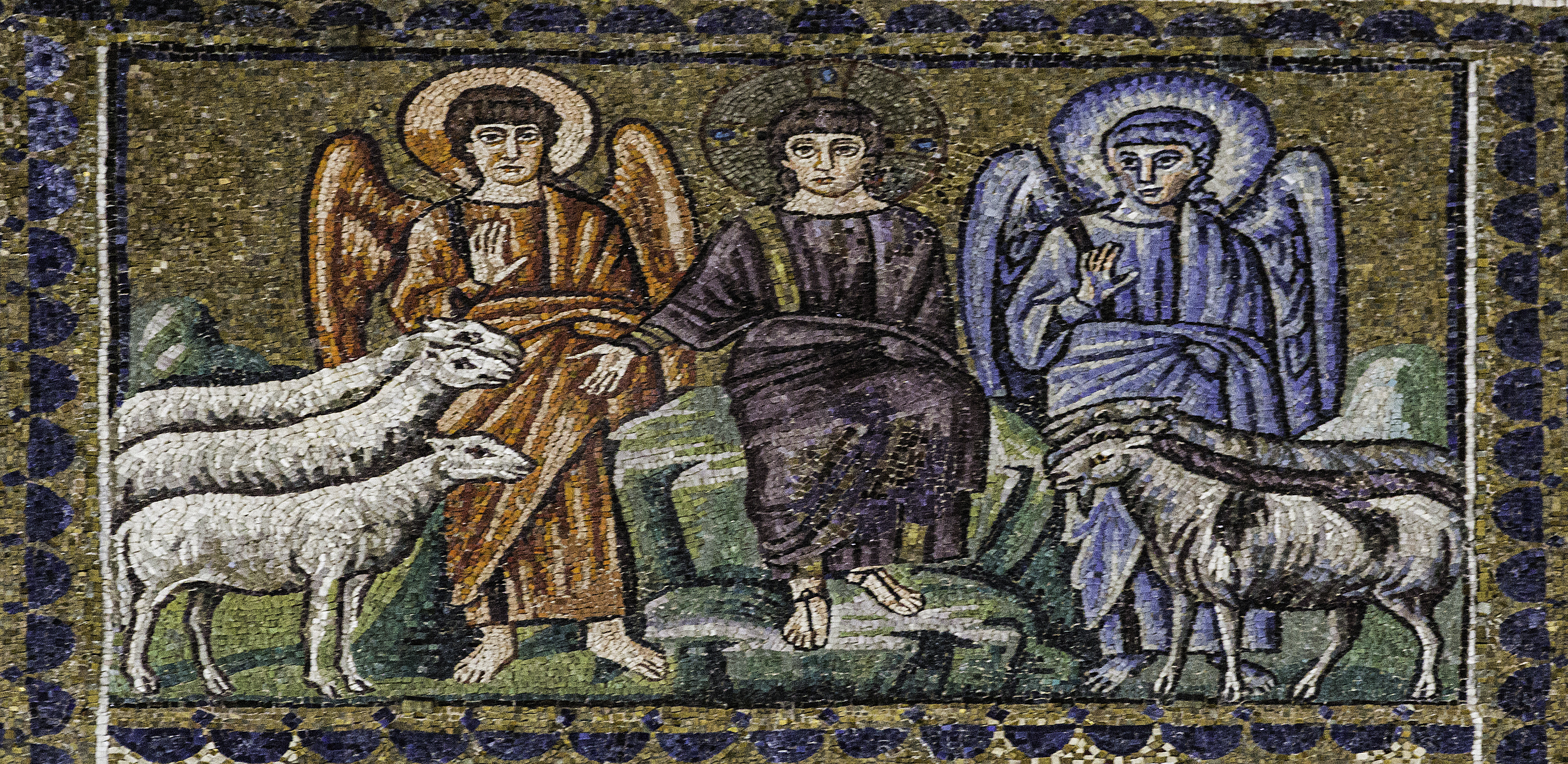
27 ‘For the Son of Man is to come with his angels in the glory of his Father, and then he will repay everyone for what has been done. 28 Truly I tell you, there are some standing here who will not taste death before they see the Son of Man coming in his kingdom.’
We have two things here: the Last Judgment, when the Son of Man comes with his angels (verse 27), and the Ascension, when the Son of Man comes to the Ancient of Days in heaven (verse 28). We have the future, and the imminent present.
One day we shall be judged for how we responded to what Christ did for us on the Cross. But even now, Christ is reigning at the Father’s right hand. There, he prays for us that we might live in a way that turns this world’s values upside-down and witness to that coming kingdom.
How is each one of us going to live in the light of these truths?


What Do You Think?