
Many years ago, my home circuit organised a day where people could display Christian resources they thought might be useful to others. My father exhibited some Bible Study material that went over the basics of the Christian faith.
A snooty member of another church looked at it, sniffed and harrumphed, and dismissed it. “We don’t need stuff like that when we’re all experienced Christians,” he said.
Oh yes, we do.
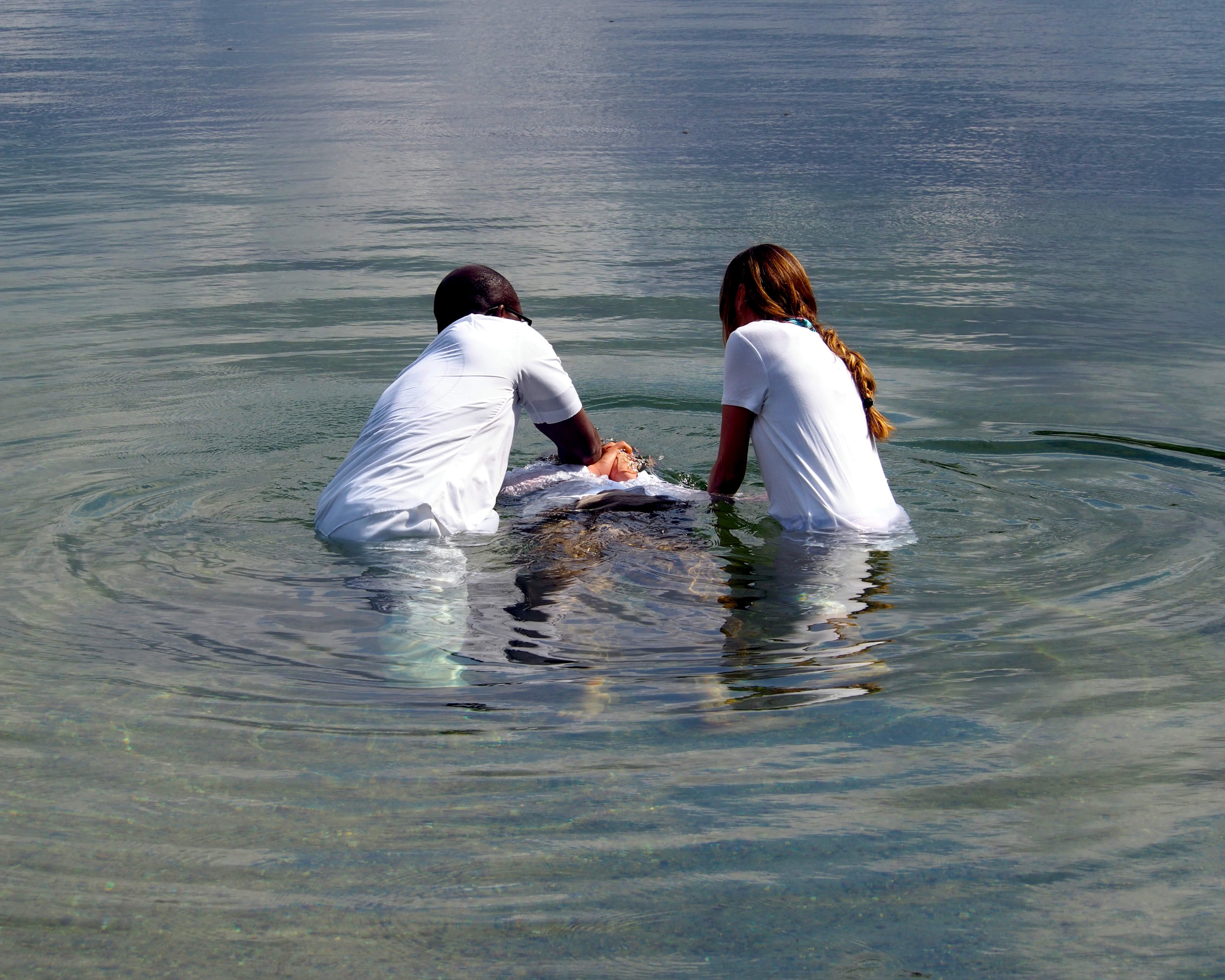
It helps all of us if from time to time we are reminded of some Christian basics. A baptism, such as we have today, is an ideal occasion.
And happily, one of our readings for the day fits that bill nicely. When Paul greets the Thessalonian Christians at the beginning of his first letter to them, he remembers how they started out in the faith:
you turned to God from idols, to serve a living and true God, 10 and to wait for his Son from heaven, whom he raised from the dead—Jesus, who rescues us from the wrath that is coming. (Verses 9b-10)
Three verbs describe what they did. Those same three verbs describe what we continue to do throughout our Christian lives. Turn. Serve. Wait.
Turn

In our world, there are things that need our time and attention. There are people who need our love and devotion. But not one of them needs our worship, even though they may expect it.
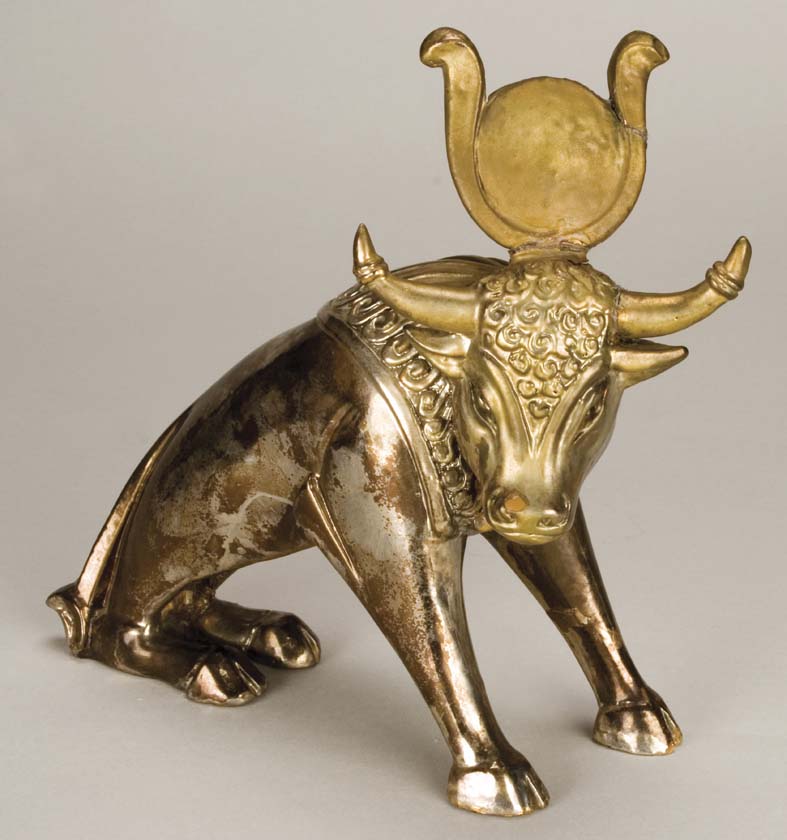
Yet we do worship created things, and that’s where we go wrong. We might not make golden calves these days, but we might just as well. We turn servants into masters. We need money, but we worship the economy. We need the creative arts for our well-being, but we worship celebrities. We need love and families, but we worship romance, relationships, and sex. We need food, but we commit the idolatry of gluttony. Add your own illustrations!
Becoming a Christian means putting all these things in their place. We turn away and put them under the Lordship of Christ. We let these otherwise good things have their appropriate place in his kingdom, and no more.
Sometimes we worship the wrong things because we are trying to fill a deep hunger in our lives. But that will only be satisfied by Jesus. Our turning away means resisting what we might call the ‘hunger pangs’ for these things.
Other times we worship the wrong things as a way of masking pain in our lives. This is often true when worship becomes addiction. Our turning away is a recognition that these are the wrong ways to find healing. Much as we would like to cover our pain with pleasurable things, the pain has to be treated. And that means walking away from our idolatrous addictions.
Here is where we all need a reminder, even if we have followed Jesus for decades. We don’t always notice that we have slipped into these spiritually unhealthy patterns. Could we have given something too much importance in our lives? As [our baptismal candidate] makes her promises and professions of faith today, is it time for us to commit to a ‘turning away’, too?
Serve

It’s not enough to be negative – turning away. We also need to be positive: like the Thessalonians, we ‘serve a living and true God’, says Paul. Idols are dead and false. But God is living and true. Unlike the idols, he is worthy of our worship and devotion. He is our Saviour and Lord. He is the healer of our deepest pains.
But serving doesn’t go down well today. We think it’s demeaning, and it’s understandable why. We want to be in charge of our own destinies.
So, we need to remember the kind of God who calls us to serve him. When his Son Jesus Christ came among us, he himself came not to be served, but to serve. A new book about how Jesus reveals God to us is, significantly, called ‘Vulnerable God’. As Christians, our calling is to serve the One who himself epitomised servanthood. We give to the One who gave, and who continues to give.
What else would we do when we consider what he has done for us? What else could possibly express our gratitude for Jesus, who died for our sins and to conquer evil and death? Serving him is the only worthy response.
However, there are so many ways in which we can serve Jesus, but we cannot possibly take on all of them. If we let our imaginations fly, we shall be overwhelmed with all the possibilities of servanthood. Therefore, it’s good practice to ask God in prayer to show us the particular place and ways where he would especially pleased for us to serve. We may have to say no to other things, even though they are good ideas.
But let us all be willing to ask the Lord how and where he wants us to serve him and focus on that as a sign of our gratitude for all he has done for us.
Wait

As well as being active servants, we also wait. Paul says the Thessalonians are waiting for Jesus to appear again: they
wait for his Son from heaven, whom he raised from the dead—Jesus, who rescues us from the wrath that is coming. (Verse 10)
God’s wrath, or anger, against sin is a good thing. It means he is a God of justice. But we wait for Jesus, who rescues us from that. In other words, we are waiting for the One who, at the Last Judgment, will pronounce that we are forgiven, and in the right with God. This is not because we are good, but because Jesus has died in our place.
Our waiting as Christians is therefore a positive thing. It fills us with hope. We do not need to worry about the long-term future. Instead, our waiting and hoping leads us to live for God’s coming kingdom.
Our waiting reminds us that we have the freedom of the forgiven. We can risk things in faith, because we know that whatever happens, we are loved. That’s why we don’t bury our talents in the ground but find that niche of service I spoke about earlier. It’s safe to go out on a limb for God, because he has our backs.
And what if we do fail? We are still the forgiven people. We are still the people living with the promise of an eternal and unshakeable kingdom. In the waiting time for that to come in all its fulness, we can find that place to put into practice the life of faith and love.
Conclusion
[Baptismal candidate], this is the faith into which we are baptising you today. This is what we are asking you to say ‘yes’ to:
- Putting away your idols;
- Serving the God who in Jesus himself came as a servant;
- An active waiting for his kingdom, because we are forgiven, and are willing to take the risks of love and faith.
And we’re going to renew our own ‘yes’ to this life alongside you.
Aren’t we?























.jpg)