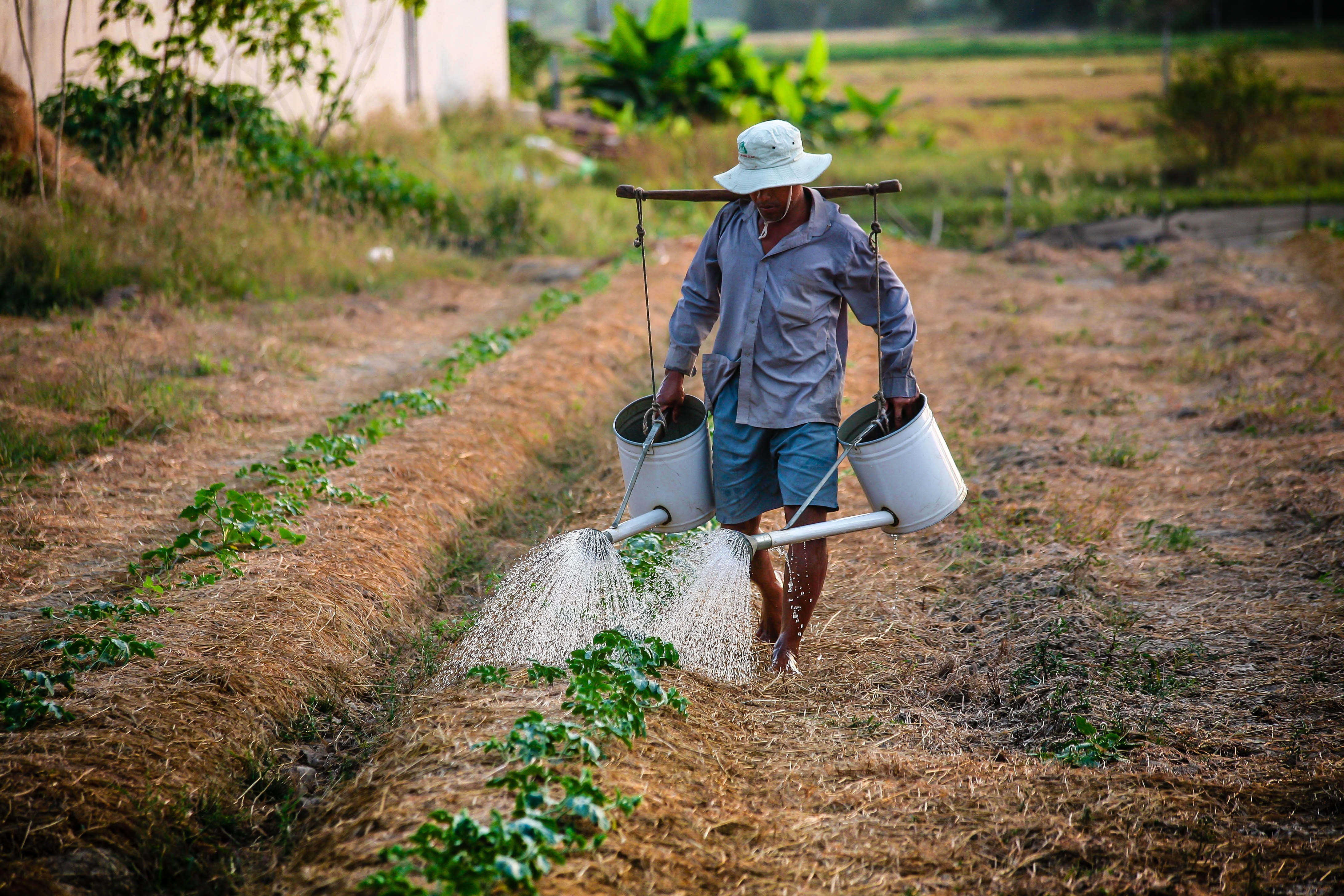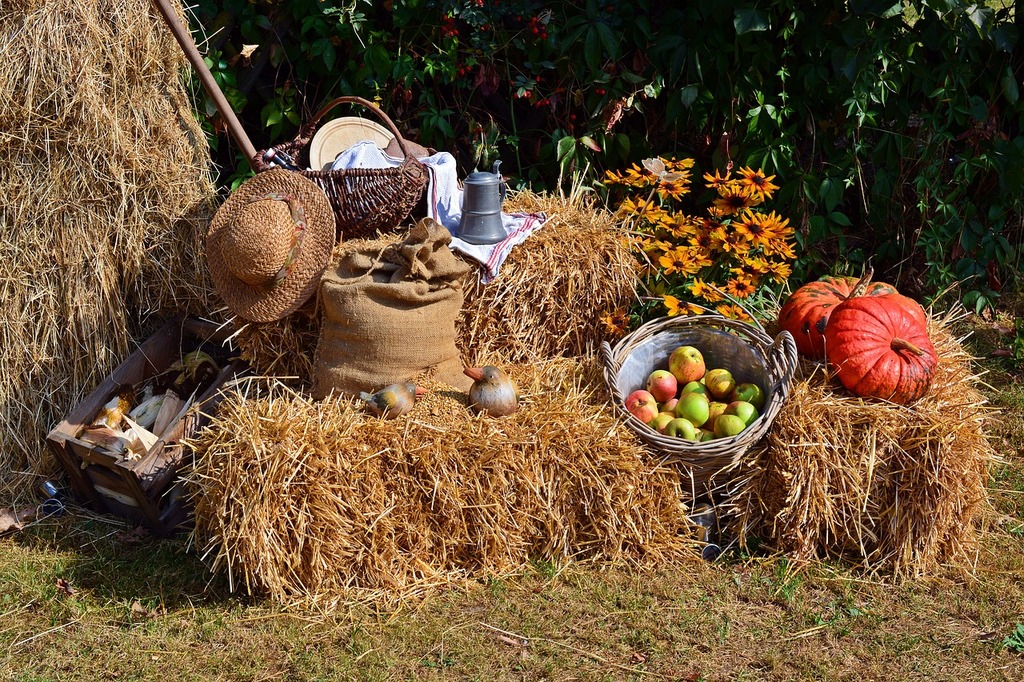
We celebrate Harvest Festival like it’s an enduring season of the church, along with Advent, Christmas, Lent, Easter, and Pentecost.
But it isn’t. Why do you think we need discussions every year about what date we shall use to celebrate Harvest?
No. Harvest Festival as we know it, although it has some connections in many world religions, was the invention of an Anglican priest in Cornwall during the nineteenth century. That’s all.
It’s quite modern, really.
The nearest we have in a church liturgical calendar to Harvest Festival is the Anglican celebration of Lammas, or Loaf-mas, marking the wheat harvest, at the beginning of August.
We make these things about our gratitude for all the ways in which God provides for our material needs. This leads us to remember those who do not have our abundant provision, be they in this country or around the world. Thus, we support the local food bank or Tear Fund.
It’s right that we remember this most physical and material expression of our faith. Our gratitude is paired with compassion for the poor and a concern for social justice. All absolutely right, and essential.
But what we increasingly forget is the way Jesus and other New Testament leaders use harvest as a metaphor for the growth of God’s kingdom, including numerical increase in the church. Several parables do this.
In our readings today, we hear Jesus compare evangelistic mission to harvesting:
The harvest is plentiful, but the labourers are few; therefore ask the Lord of the harvest to send out labourers into his harvest. (Luke 10:2)
And we hear the Apostle Paul countering the personality cults that had grown up in the Corinthian church by using a harvest metaphor for the growth of the kingdom:
I planted, Apollos watered, but God gave the growth. (Verse 6)
It’s what a previous generation of Christians called ‘the harvest of souls.’
And that’s where we’re focussing today.
I planted
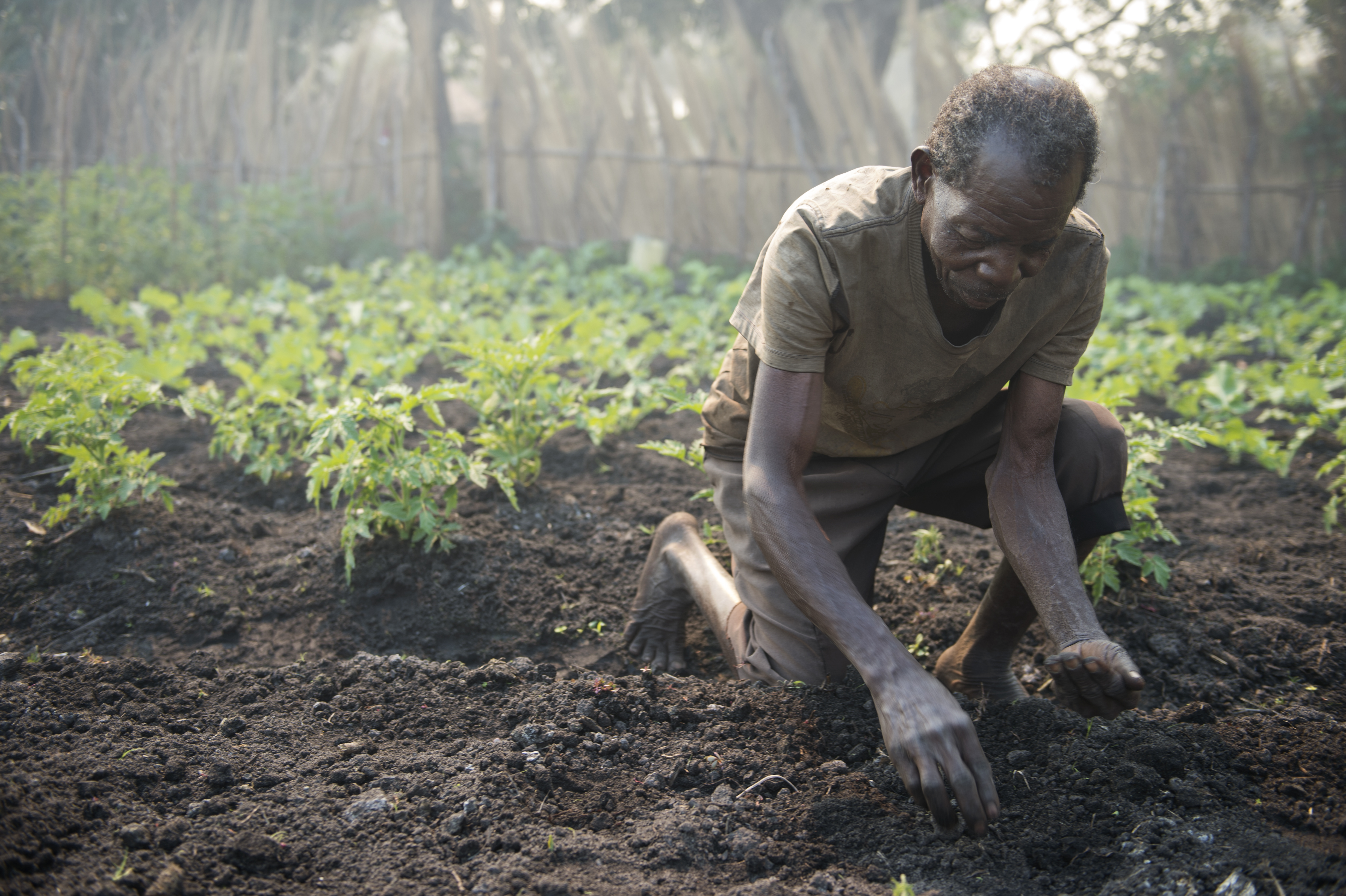
When Paul says, ‘I planted,’ he wants to dial down his significance in the growth of the church to the Corinthians. I’m not the big cheese, he says. It’s almost as if he said, ‘I only planted: that’s all I did.’
We have an opposite problem. Few, if any, of us could claim to be the big cheeses of mission today. By and large, many Christians in our day want to opt out of evangelism and witness. We would rather sit back and wait for people to come to us. We don’t want to do anything challenging or stressful.
And so for us, Paul’s words have the opposite meaning. ‘I planted’ reminds us that we do indeed still need to plant. They become a challenge to us. What are we doing to plant the seeds of the kingdom in people’s lives?
Maybe we are afraid of people asking questions that we can’t answer. Perhaps we are worried that we will be mocked. We forget that Jesus went to a Cross.
Planting a seed is the first stage. It doesn’t mean being able to explain everything about the Christian faith or answer every intellectual objection. It is the simple act of witness to our belief that there is a God in heaven who has come down to earth in Jesus to reveal his redeeming love for all humankind.
Planting a seed can be as simple as being open about the fact that you are a Christian and saying simply that your faith makes a difference for good in your life. Planting a seed can be as simple as getting to know your neighbours and suggesting that church might help them if they are in a crisis in their lives.
It doesn’t mean that we keep on hammering the point home. It does mean we take that first brave step to be known as a Jesus-follower, and to recommend the Jesus community as a place of healing for those who are hurting. It doesn’t mean we seek to exploit the wounded, but it does mean that out of compassion for those in pain, we offer the love of God.
Let’s not allow fear or nervousness or a sense of inadequacy stop us from planting a seed at the right time. If we do feel like that, may we allow those feelings to drive us into a dependency upon the Holy Spirit.
Remember: in the natural world, if we don’t plant, then nothing grows. The same is true in the spiritual life.
Apollos watered
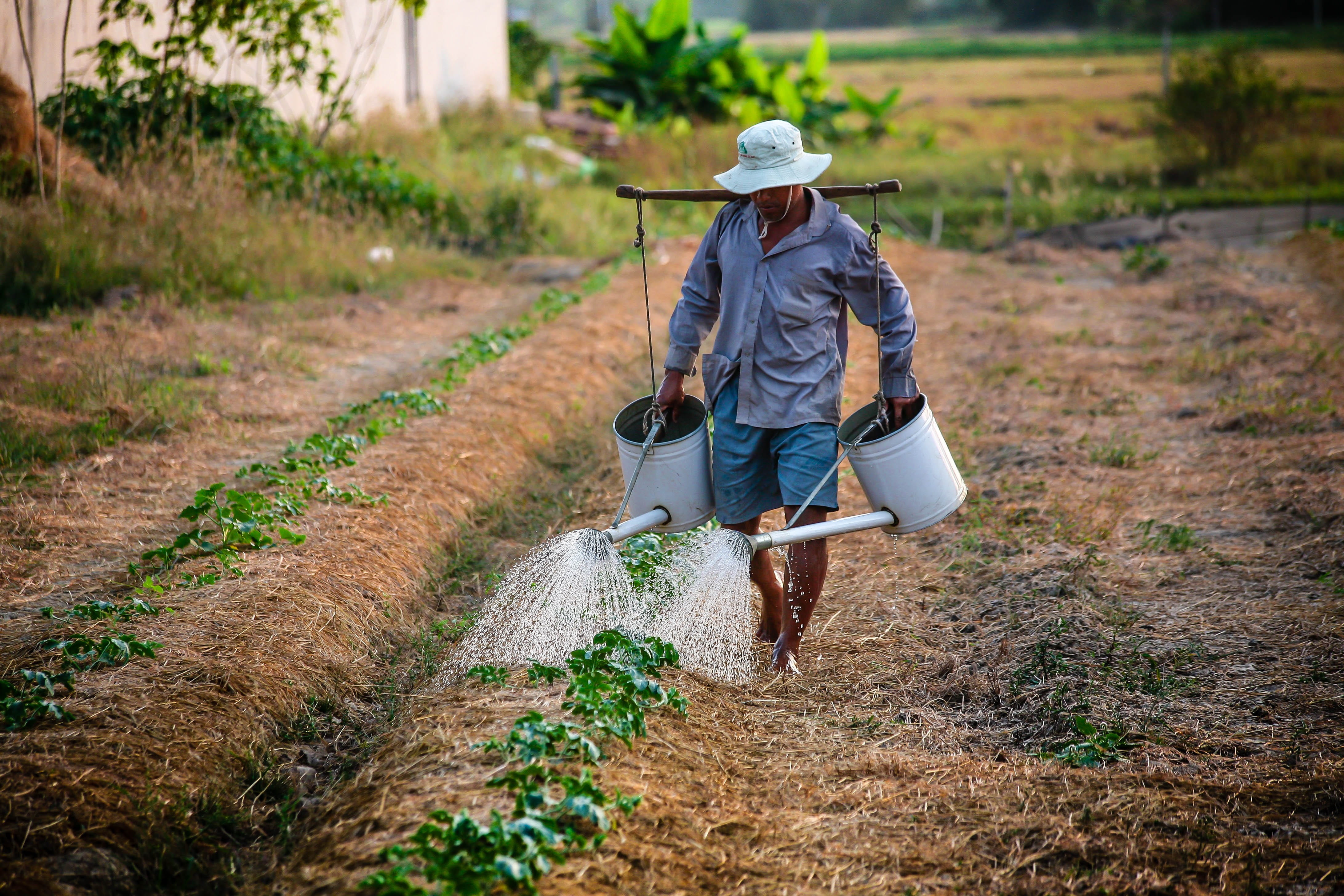
You water where you know something has been planted. What would that mean for the harvest of mission?
Let’s say you know you have ‘planted’ somewhere, along the lines I just described. In that case, the watering that follows consists of prayer. It doesn’t usually involve continuing to badger someone, as that would be counter-productive. However, if they continue to talk or ask questions, then to respond would be watering.
So, let’s make prayer an important part of our mission strategy. Where we have seen even the smallest sign of an opening, then we pray for the person. And like all watering, that is not a one-off: we commit ourselves to regular, faithful praying.
What if our fears are realised and the person where we have planted a thought of the gospel comes back with one of those difficult questions about God and faith that we dread? In that case, the watering might be done by someone else. You might contact me as your minister and say, Dave, do you know anything about such-and-such? I might give you some ideas, or you might invite the friend to talk with me.
It’s always good, by the way, to be reading more about our faith to help our own thinking and to prepare us for those ‘watering’ opportunities. I find it tremendously sad in many congregations to discover how few of the church members regularly read books about their faith. I’m not suggesting we should put all secular reading aside, but some of us spend so much time filling our minds with froth from shallow novels or dubious TV shows that we don’t give the time that would help us learn more about our faith and be ready to water.
Then there will be the times when we have the opportunity to water where someone else has already planted. That may be the witness of another Christian, or it may also be where the Holy Spirit has gone ahead of us and done a work of preparation in someone’s life.
I believe we can see an example of that in Luke 10. When Jesus sends out the seventy in pairs ahead of him, there is an intriguing part of his instructions found in verses 5 and 6:
5 Whatever house you enter, first say, “Peace to this house!” 6 And if anyone is there who shares in peace, your peace will rest on that person; but if not, it will return to you.
Who is this person who shares in peace, or ‘man of peace’ in older translations? I suggest it is someone whom God has already prepared.
We find such people among those friends who suddenly take an interest in God questions and sincerely ask us what we think about something. Their questions will feel to us like they have come out of the blue, but truly God has already been at work there to stimulate their interest. These are people to ‘water’ by responding as best we can to their questions, by invoking the help of other Christians, and of course by praying.
God gave the growth
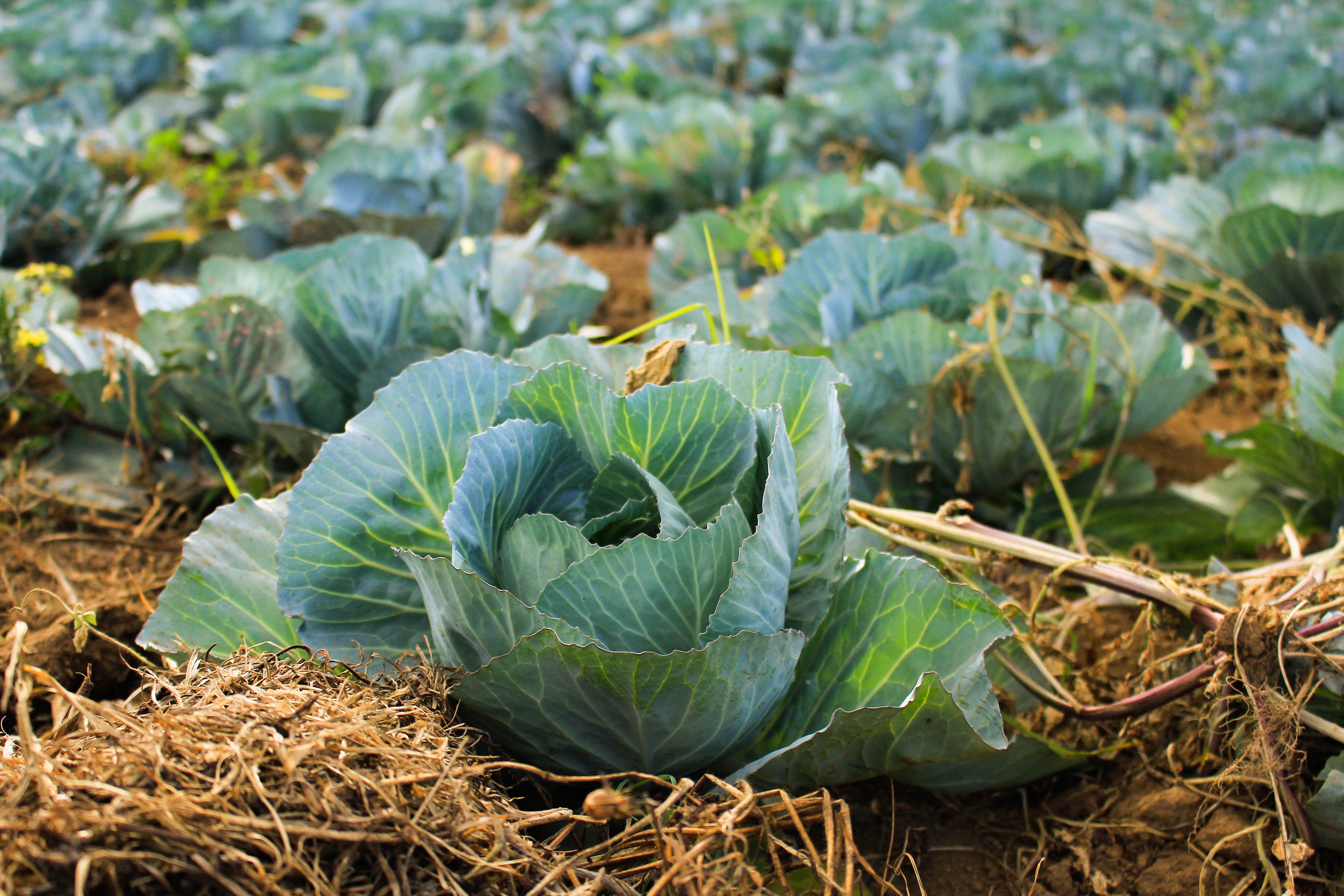
I hope that in talking about planting and watering I’ve made it clear that we have a real responsibility in the harvest of mission. We cannot dodge it. When we do, the church declines.
But at the same time, we don’t convert anyone. Only the Holy Spirit does that. Only the Holy Spirit reveals to a person their sin from which they need to repent. Only the Holy Spirit reveals Jesus Christ as Saviour and Lord. God gives the growth.
We are to plant and to water, but we depend on God to give the growth. The Spirit of God shows people their need and reveals Jesus to them. The Spirit makes repentance and faith possible.
So does that mean that after a little bit of awkward and maybe embarrassing planting and watering, we can now sit back?
Absolutely not. We are back at the question of prayer. If we believe that only God converts someone, then should we not implore him to do so? If we have been planting and watering, then we turn the matter over to God in prayer.
And so, I want to ask you if you have a list of people for whom you are praying? You may have a prayer list of people who are in need, including those who are seriously ill, for example. But do you also have a list of people where you are praying that the seed of faith will be planted and watered, and that God will grow them to the point of owning faith in Jesus Christ for themselves?
I believe every Christian needs a list like that. You can start with family members who do not share our faith. You can add work colleagues, neighbours, and friends.
You may not want to make the list too long, in case it becomes too difficult or discouraging, especially if you are not used to praying at length on your own. By all means start small, with a few people. But pray regularly for them. And by that, for preference I mean daily.
It may well be a long haul. Sometimes it takes months or years to soften the spiritual atmosphere in someone. Like much of the Christian life, this is a marathon and not a sprint. Resist the temptation of our culture to expect everything to have an instant answer – although if that comes, by all means rejoice and shout it from the rooftops!
Conclusion
We talk a lot about the decline and aging of the church. A spiritual harvest should be of serious interest to us. (It should be anyway, if we care about the glory of God.)
What I offer today is not a quick fix. But if we are serious about seeing the situation change in the long term, then let us commit to planting the seeds of faith; to watering them with follow-up and prayer; and by continuing in intentional prayer because we believe that God alone gives the growth.